

Intersolar 2026 Recap
Intersolar Europe 2026: The installer’s job is changing
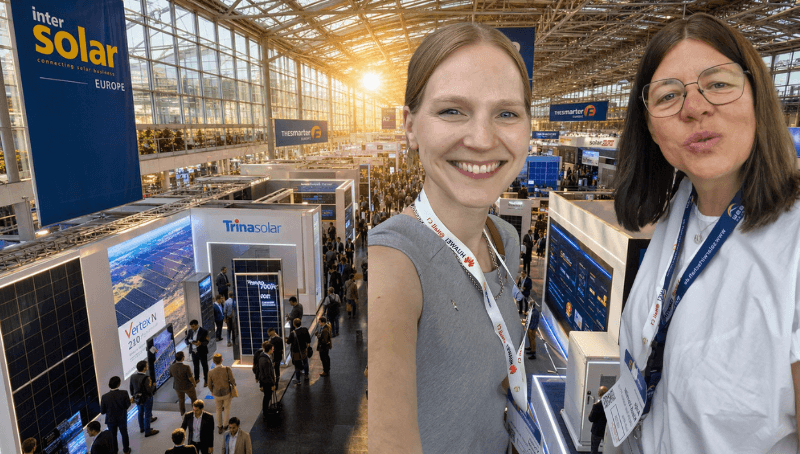
Every year, Intersolar Europe offers a snapshot of where the global solar industry is heading. After three days walking the exhibition halls in Munich, Antje Klauss-Vorreiter and Vivian Blümel sat down to reflect on what stood out, and what installers should be paying attention to.
This year, there wasn’t a single breakthrough technology dominating the show, though. Instead, the exhibition revealed a market that is steadily evolving, with manufacturers broadening their offerings and the role of the installer becoming more sophisticated.
Quick summary
- Battery Energy Storage Systems (BESS) were everywhere, no longer confined to specialist manufacturers.
- Companies are increasingly selling complete energy systems rather than individual products.
- Energy management, AI and dynamic tariffs are creating new business opportunities.
- Future installers will need skills beyond installation, including planning, finance and system integration.
- Perovskite cells continue to improve, but are not yet ready for mainstream deployment.
Battery Energy Storage Systems (BESS) are now the norm
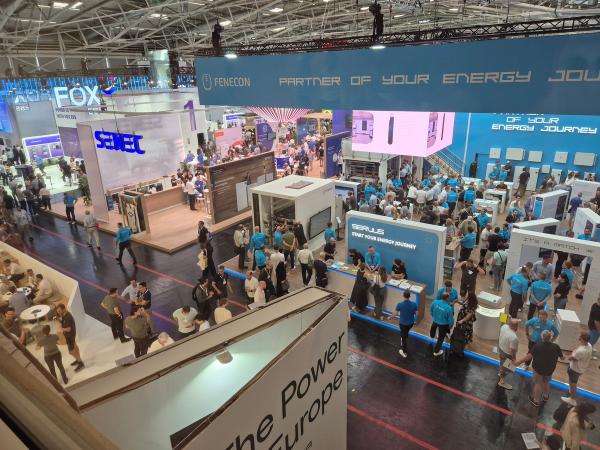
If there was one thing impossible to ignore, it was the omnipresence of Battery Energy Storage Systems (BESS).
In previous years, battery manufacturers occupied their own corner of the exhibition. This year, they seemed to be everywhere. Module manufacturers now offer batteries, inverter manufacturers offer batteries, and many companies are moving beyond selling individual components to providing complete energy solutions.
The rapid drop in battery prices is making this possible. Large-scale storage has become a realistic way to balance renewable energy generation, improve grid stability and make better use of solar power. It feels like we’re finally on the verge of solving the old problem of renewable energy intermittency.
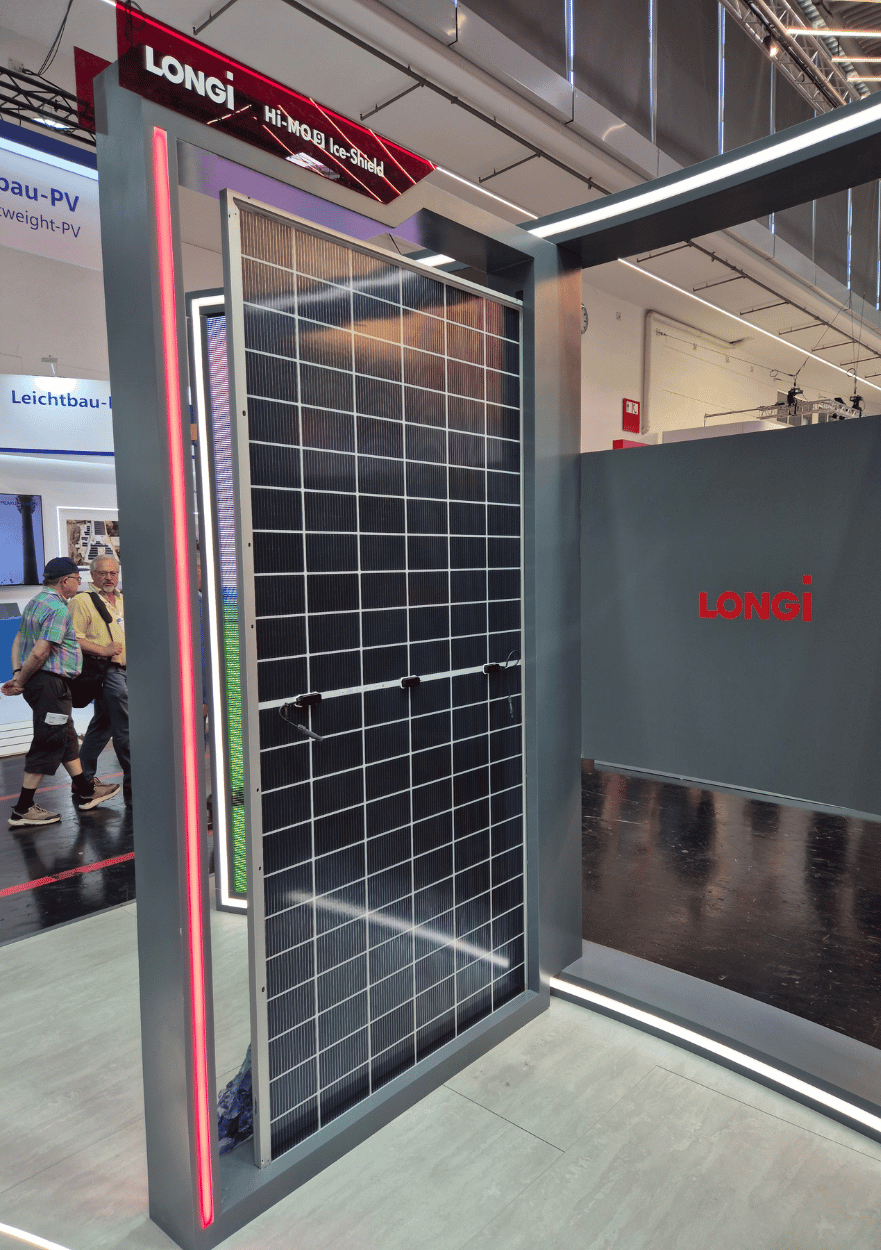
Utility scale module at Longi: Hi-MO 9 Ice shield
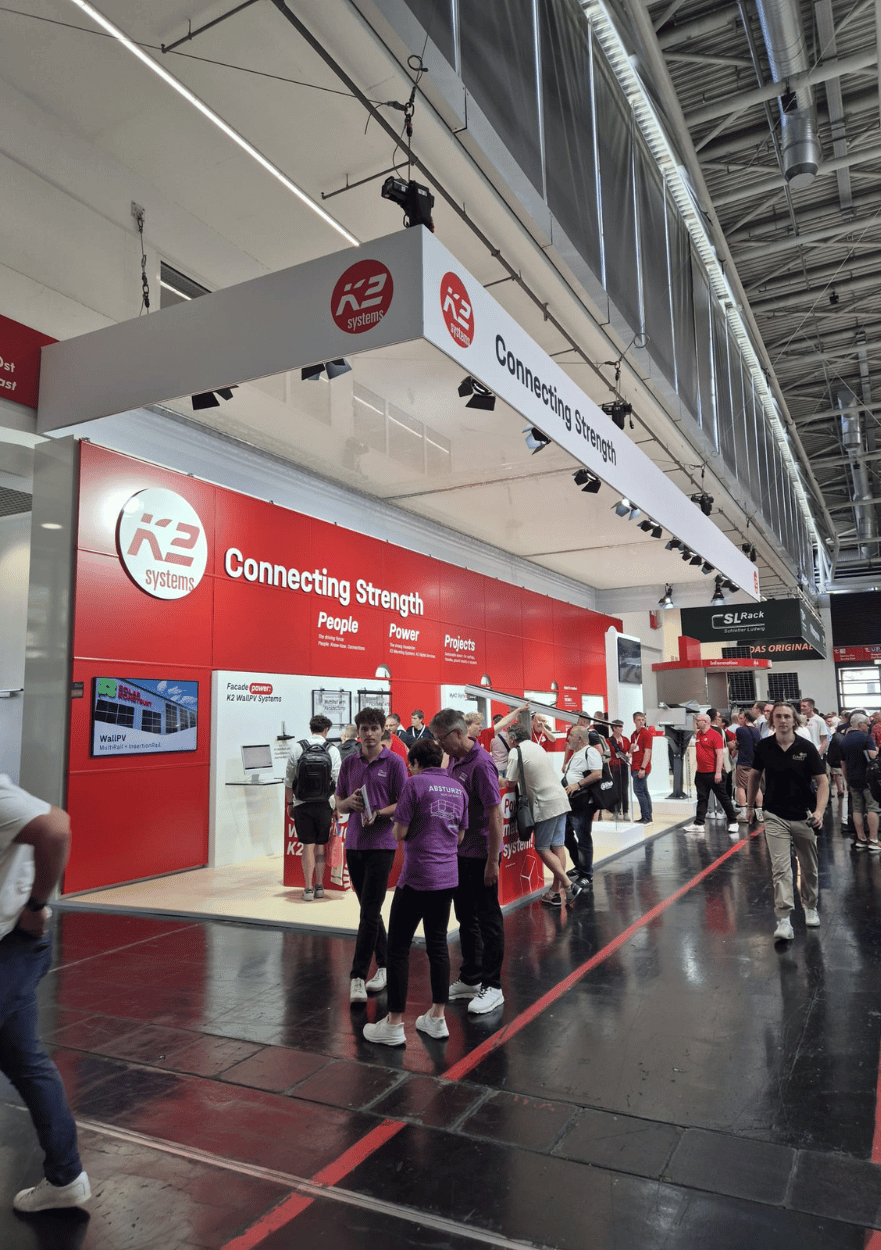
K2 Stand
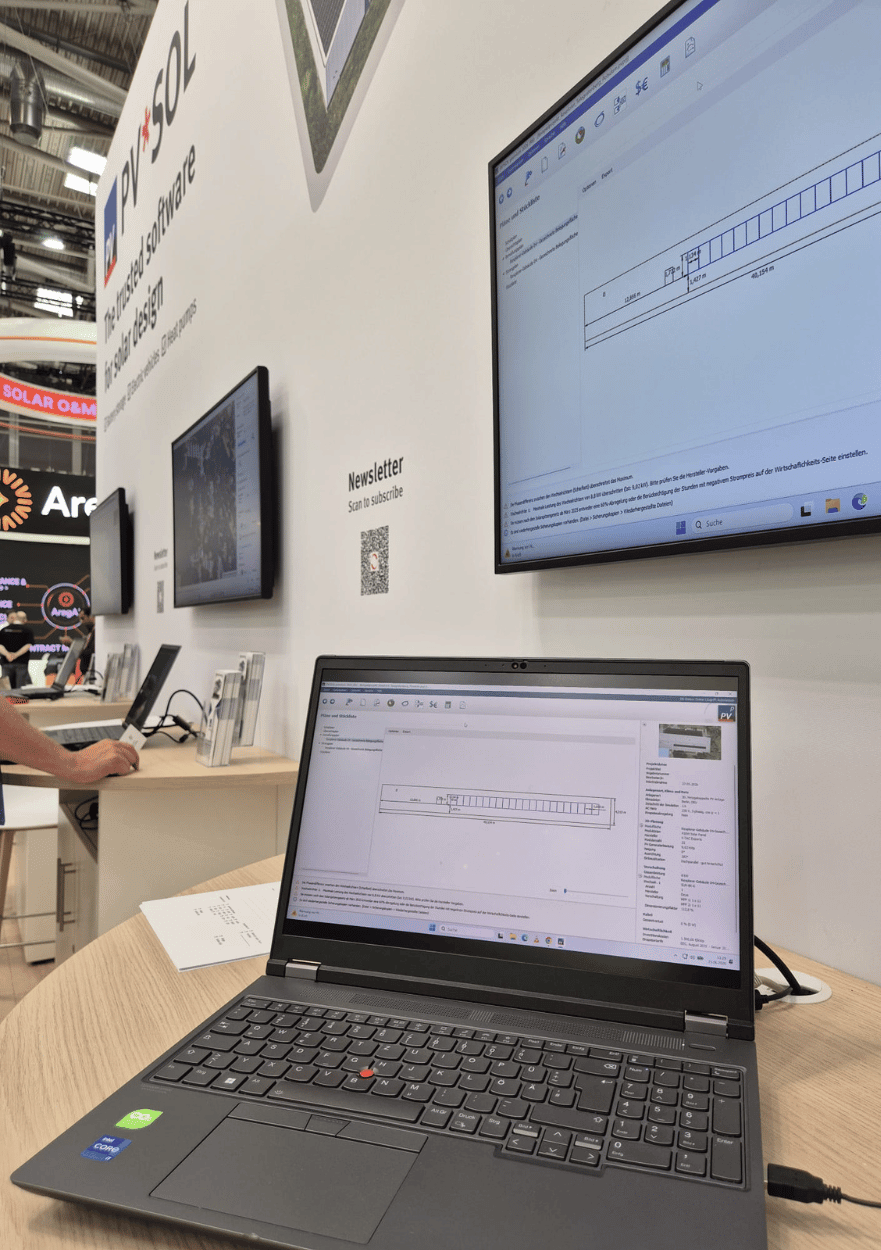
Live planning with PV*SOL at Valentin Software
Beyond hardware: energy management is becoming the real differentiator
Among the exhibitors were energy companies and service providers developing new business models around energy management. Dynamic electricity tariffs, smarter control systems and better matching of energy production with consumption are becoming increasingly important, particularly in Europe.
Rather than simply installing equipment, future solar projects will increasingly require professionals who understand how to optimise an entire energy system—deciding when to store electricity, when to use it and when it makes sense to draw from or supply the grid.
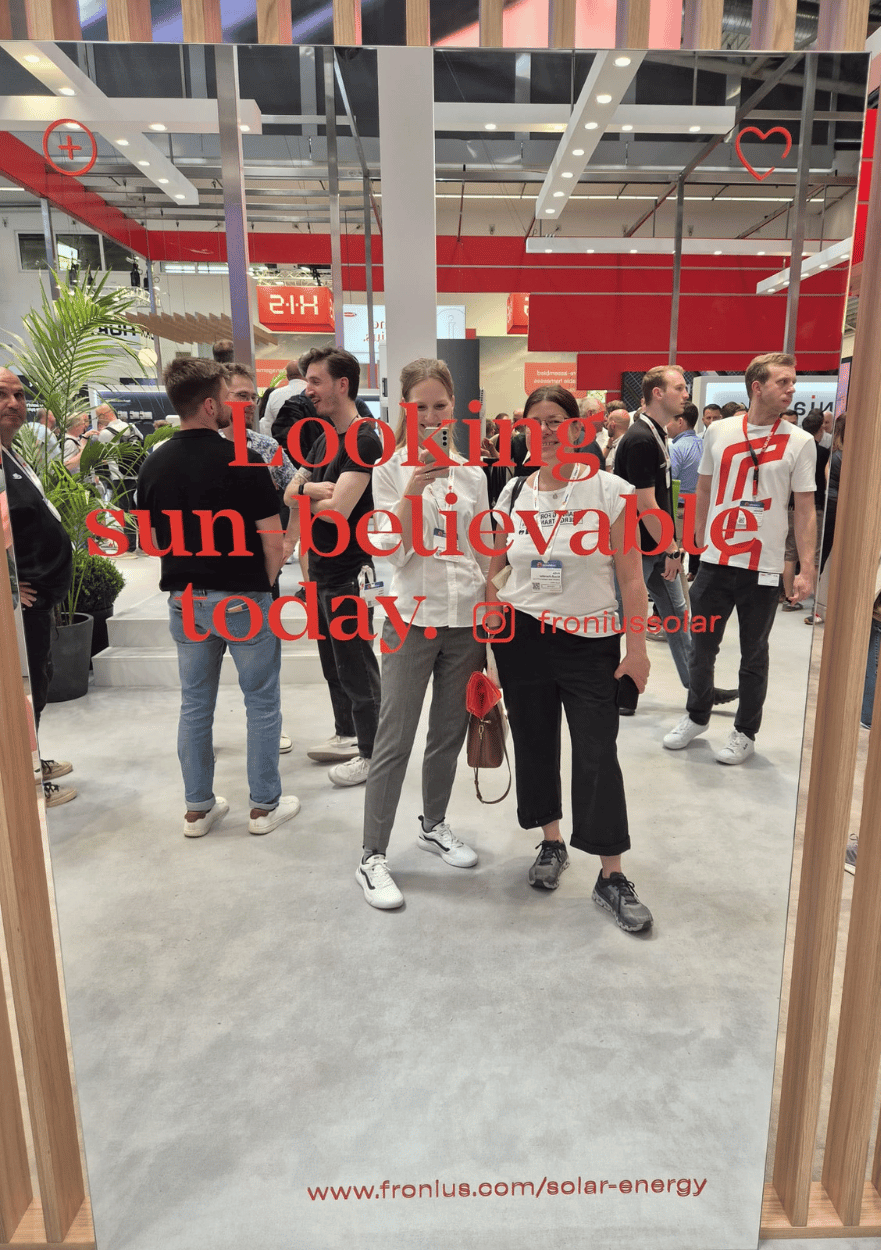
At Fronius
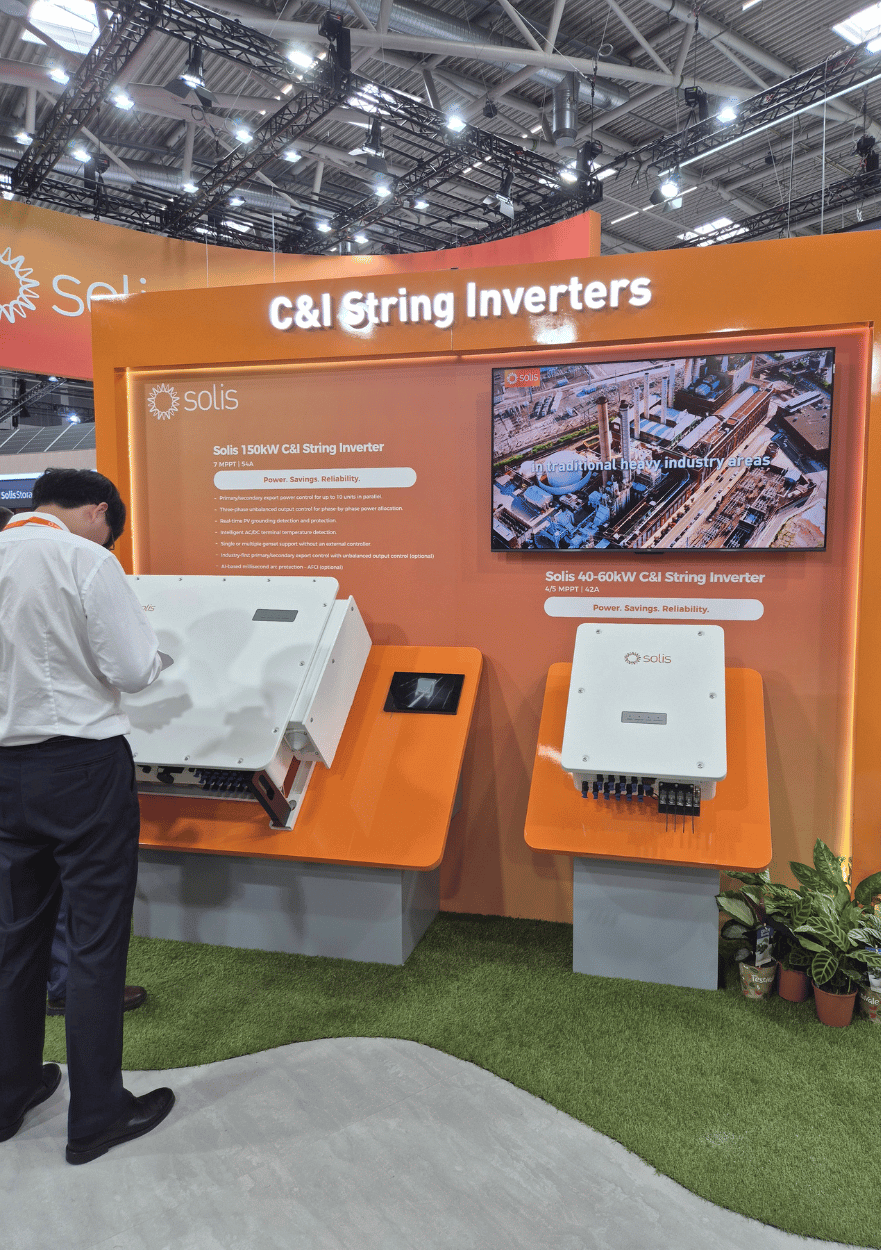
Solis C&I hybrid inverters
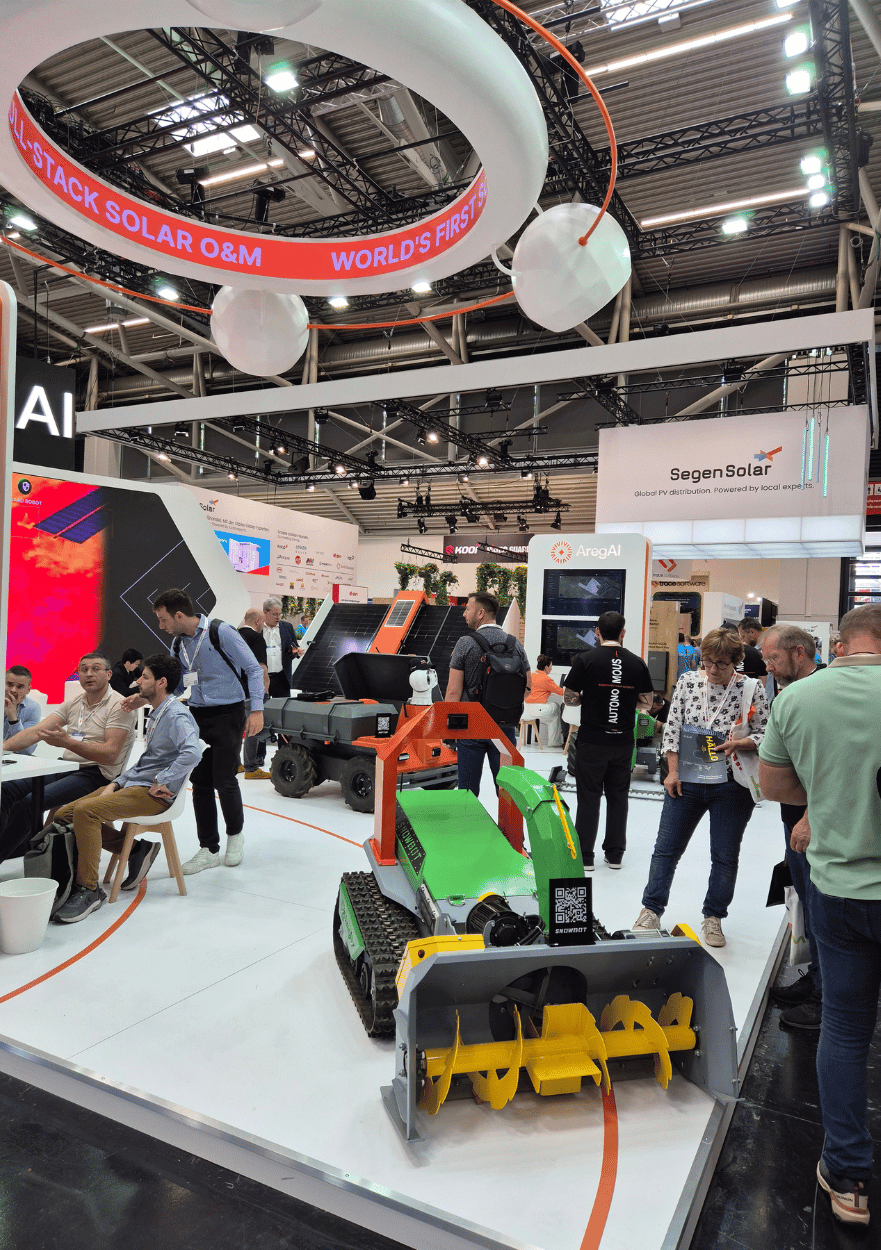
AI controlled maintenance equipment
The biggest change isn’t the technology anymore
What does all this mean for installers? The job description is changing.
As equipment becomes more standardised and manufacturers move towards plug-and-play solutions, correct technical installation remains essential but it is becoming easier compared to the early days. The installation companies will have to be able to not only plan projects and integrate battery storage but also understand financing options and help customers make informed energy decisions. Technology and even cost of systems are definitely no longer the bottleneck but choosing the right solution for a use case.
For GREEN alumni, this is an important reminder that skills need to evolve accordingly. The PV GreenCard remains an important milestone, but there is more to add in order to stay in business and build a long-term career. Tomorrow’s opportunities will belong to professionals who combine technical competence with broader system knowledge and business understanding.
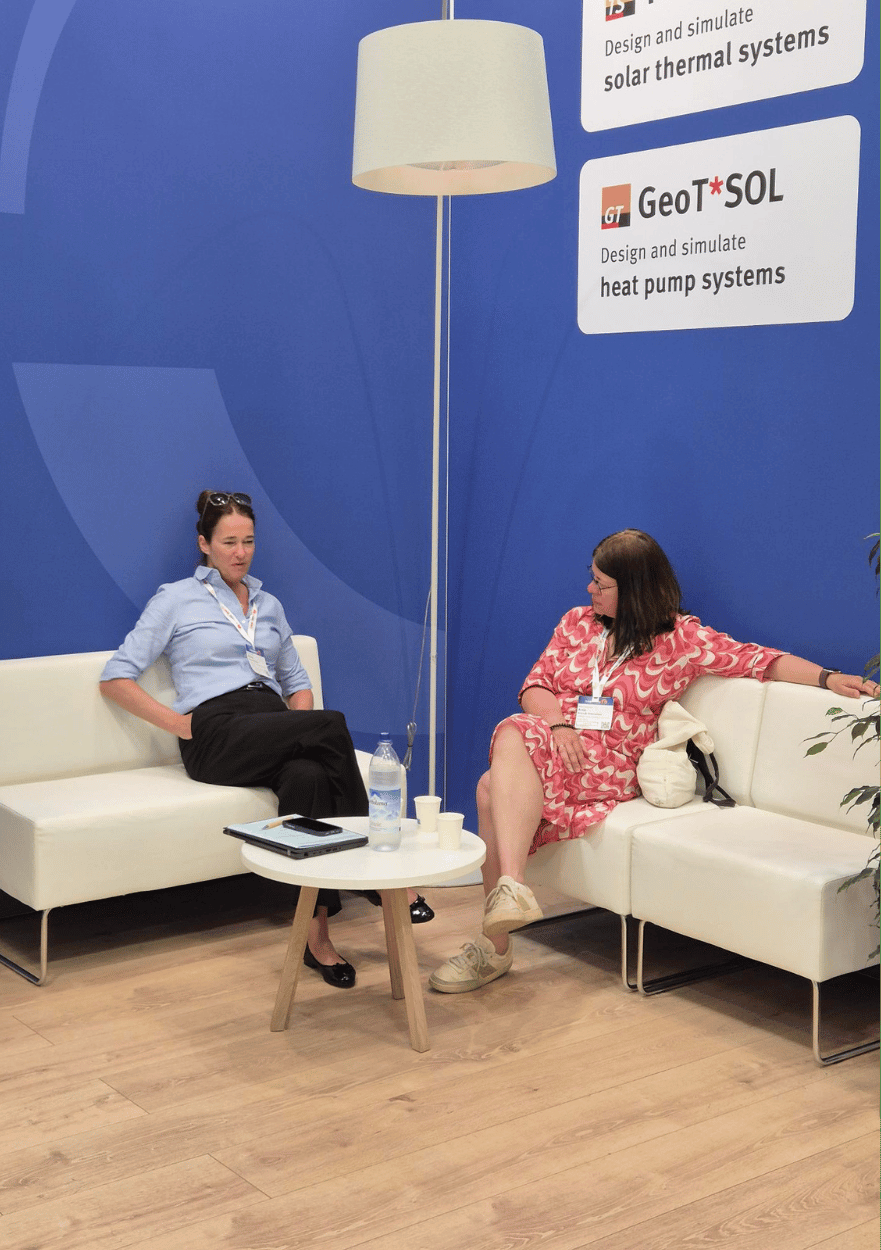
Antje Klauss-Vorreiter (right) with Nicola Rosenkranz, CEO of Valentin Software
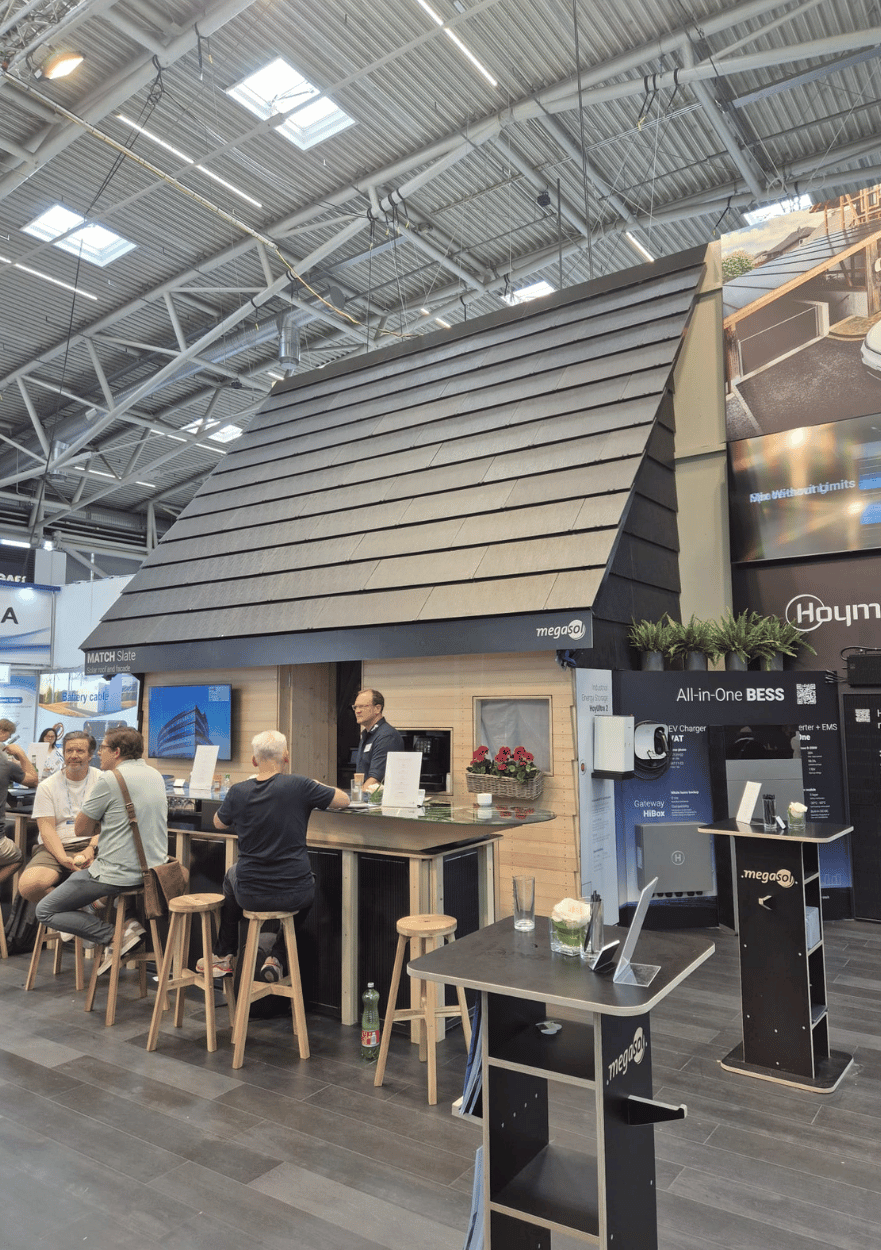
Solar roof tiles that look like slate at Megasol
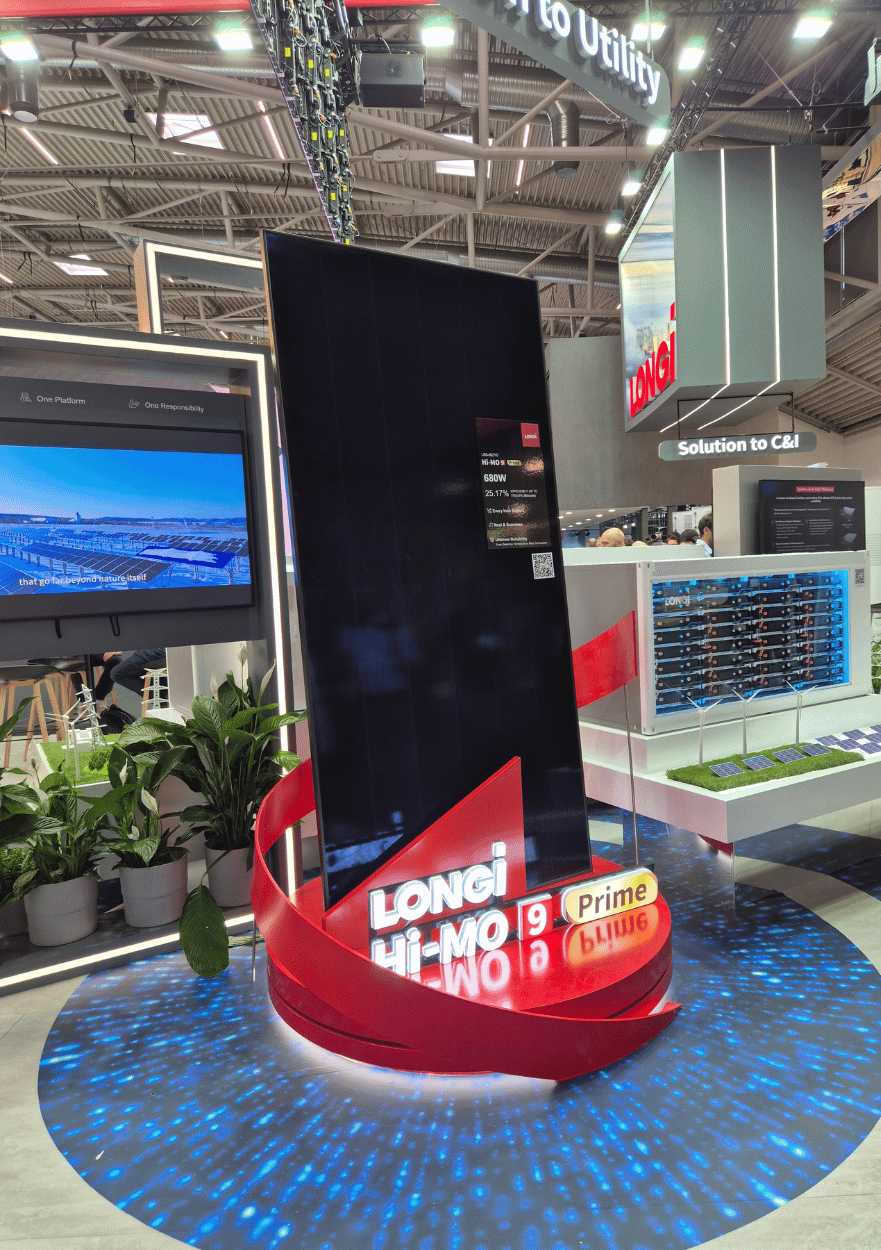
Utility scale module Hi-Mo 9 Prime at Longi: 680W and 25.2% efficiency
Perovskite: a glimpse of what’s still to come
While system integration dominated this year’s exhibition, there were still incremental advances in PV module technology.
Manufacturers showcased improvements in back-contact modules, while perovskite tandem cells continued to show encouraging progress. The technology is not yet ready for widespread commercial deployment, but improvements in durability suggest it is moving steadily closer to practical application. JA showcased a perovskite tandem module with a demonstrated lifespan of eight years, marking a significant step forward for perovskite technology.
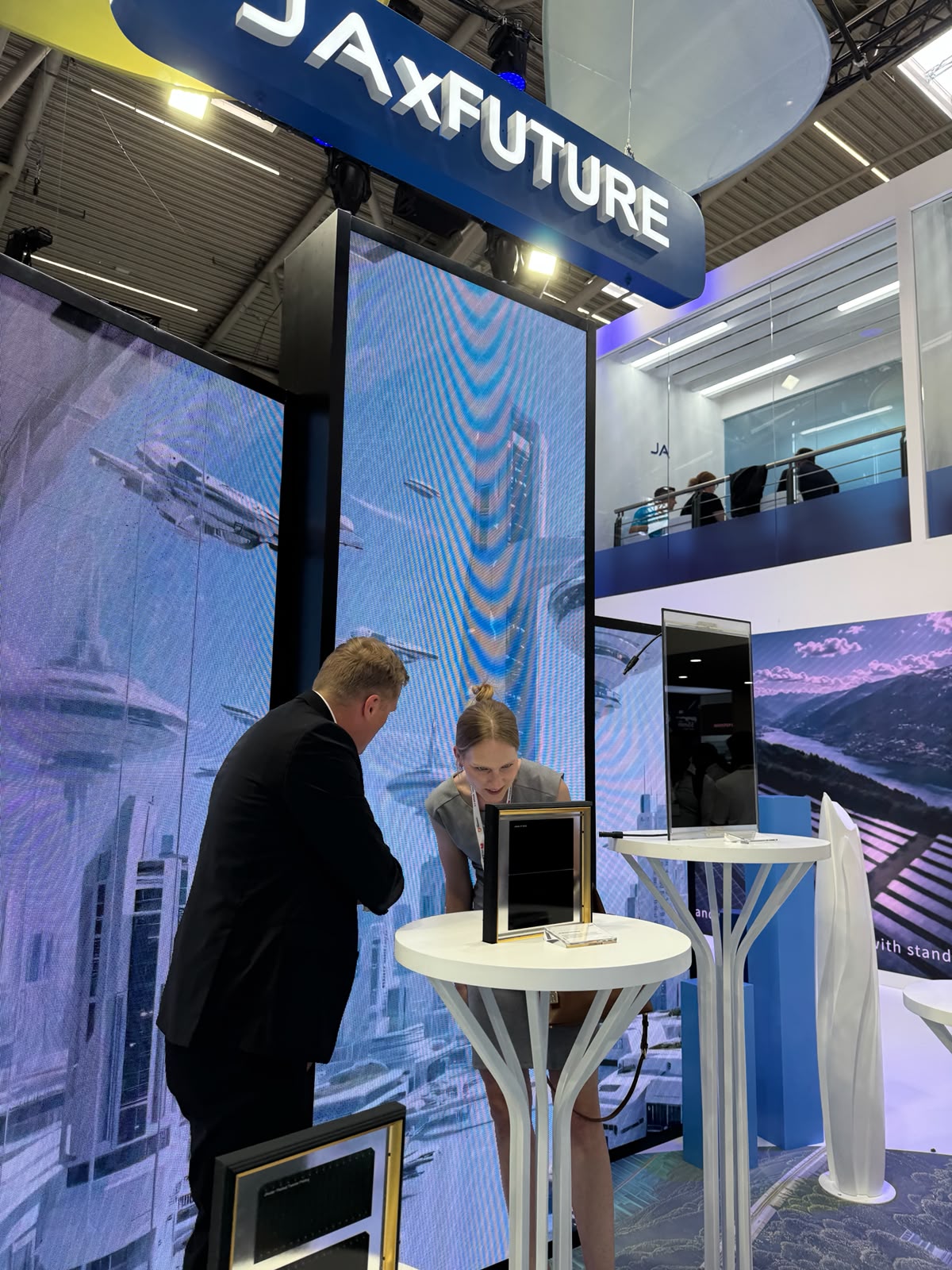
Inspecting the Perovskite module and backcontact cells at JA
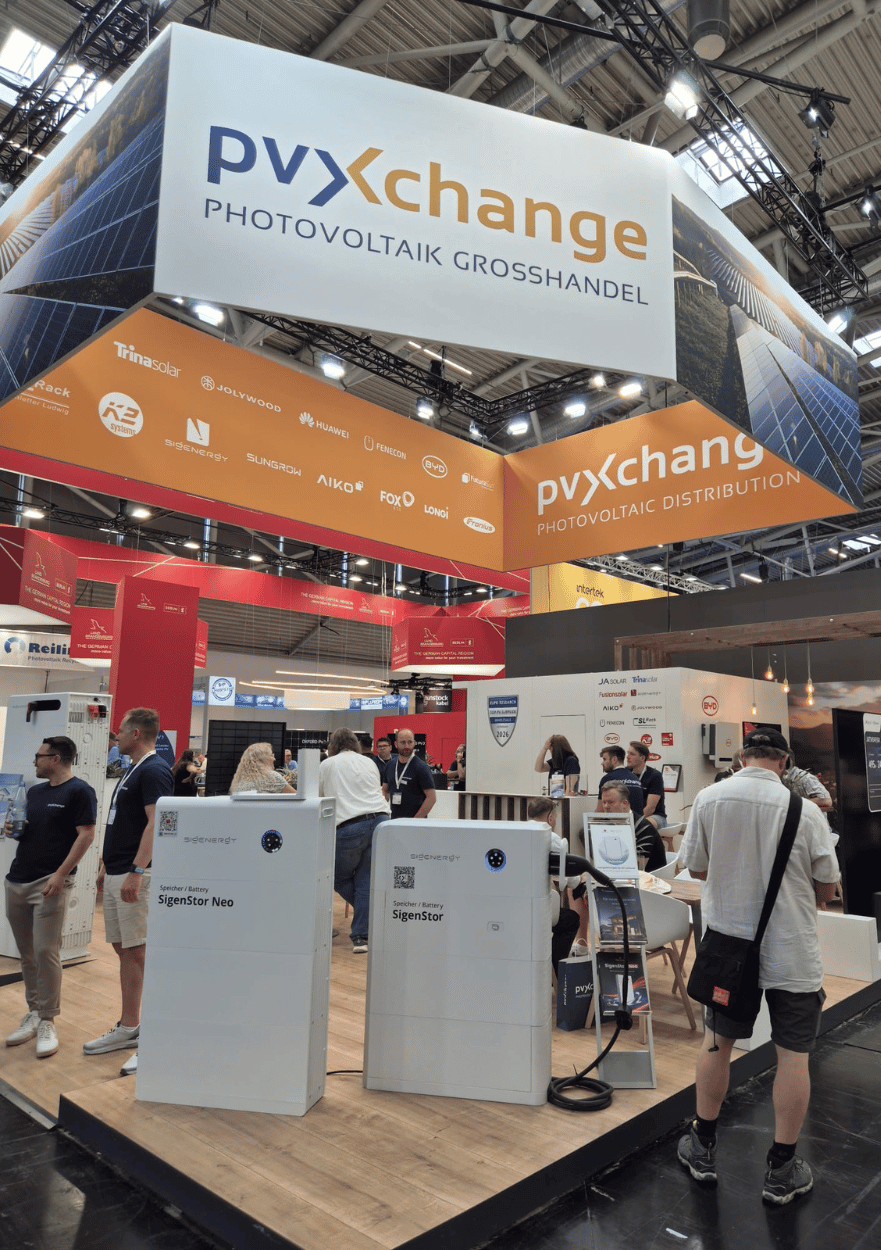
EV charging technology was present everywhere
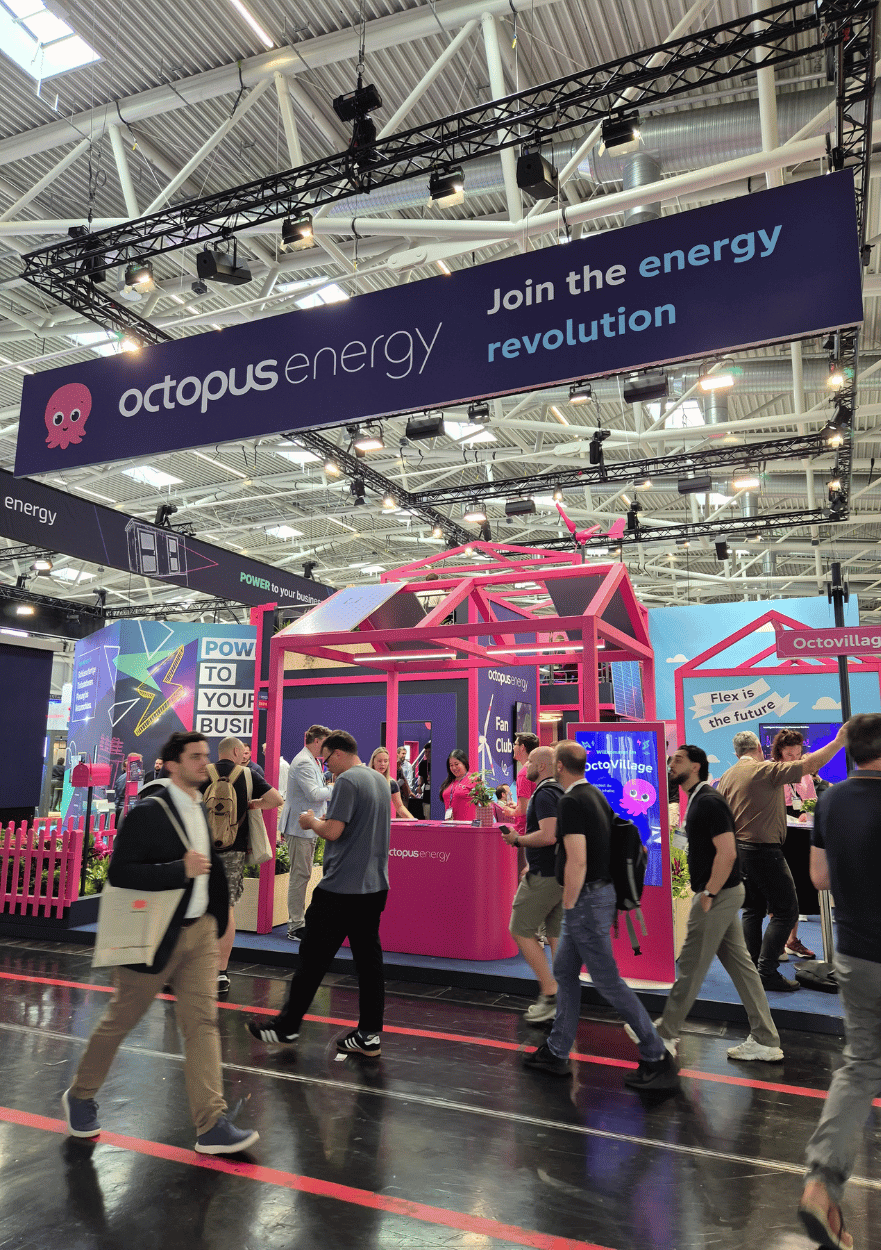
Octopus Energy is an electricity generation and supply company offering a smart energy tariff
More?
Curious to hear the full conversation on the trends that stood out, and what we believe every solar professional should be preparing for next?