Working at Heights Training
5 Things You Need to Know Before Working at Height
Working at Heights training is about more than learning how to put on a harness and clip in. If your work takes you onto roofs, scaffolding, elevated structures or anywhere else where a fall could cause injury, you need to understand how the entire fall-arrest system works.
The position of your anchor point, the distance you could fall, the condition and fit of your equipment, and what happens after a fall can all affect how well that system protects you.
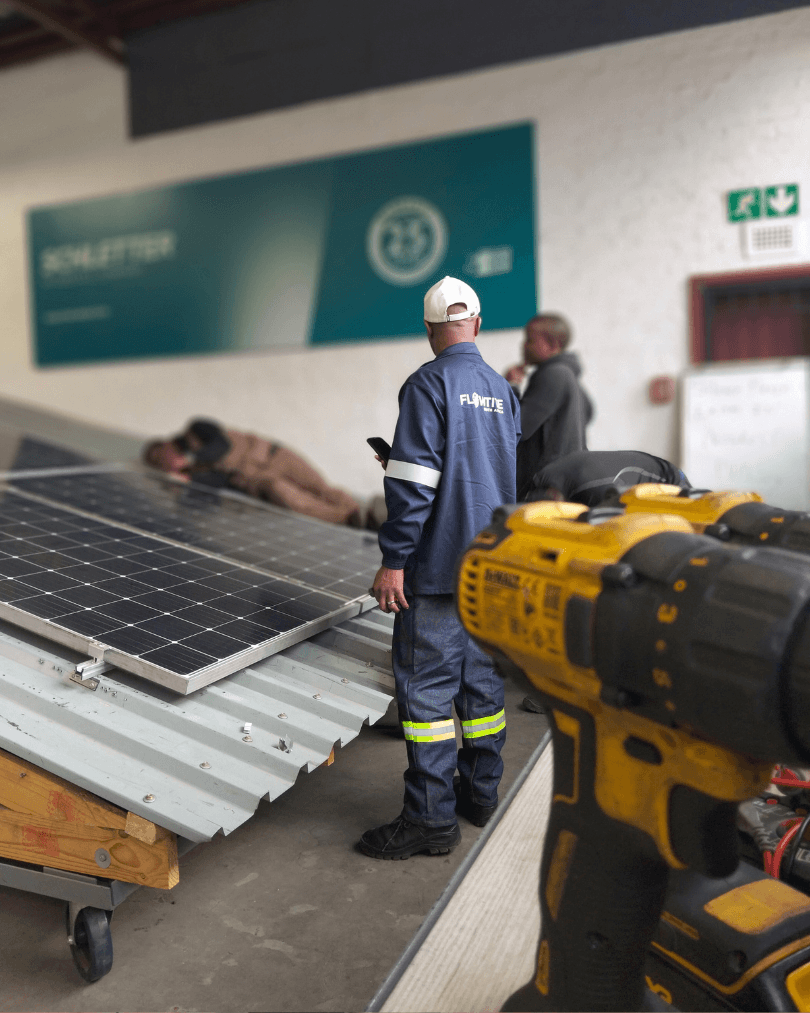
Working at Heights is not specific to the solar industry. However, it is particularly relevant to solar installers, who regularly work on roofs and other elevated structures.
Here are five important things to understand about working safely at height.
1. A harness is only one part of a fall-arrest system
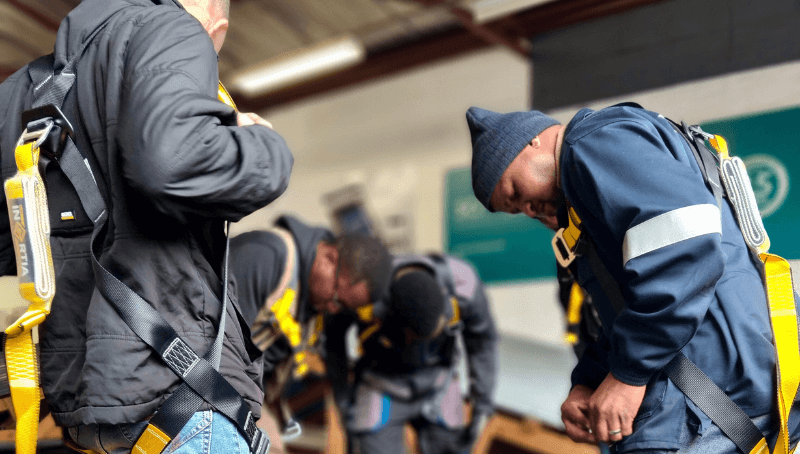
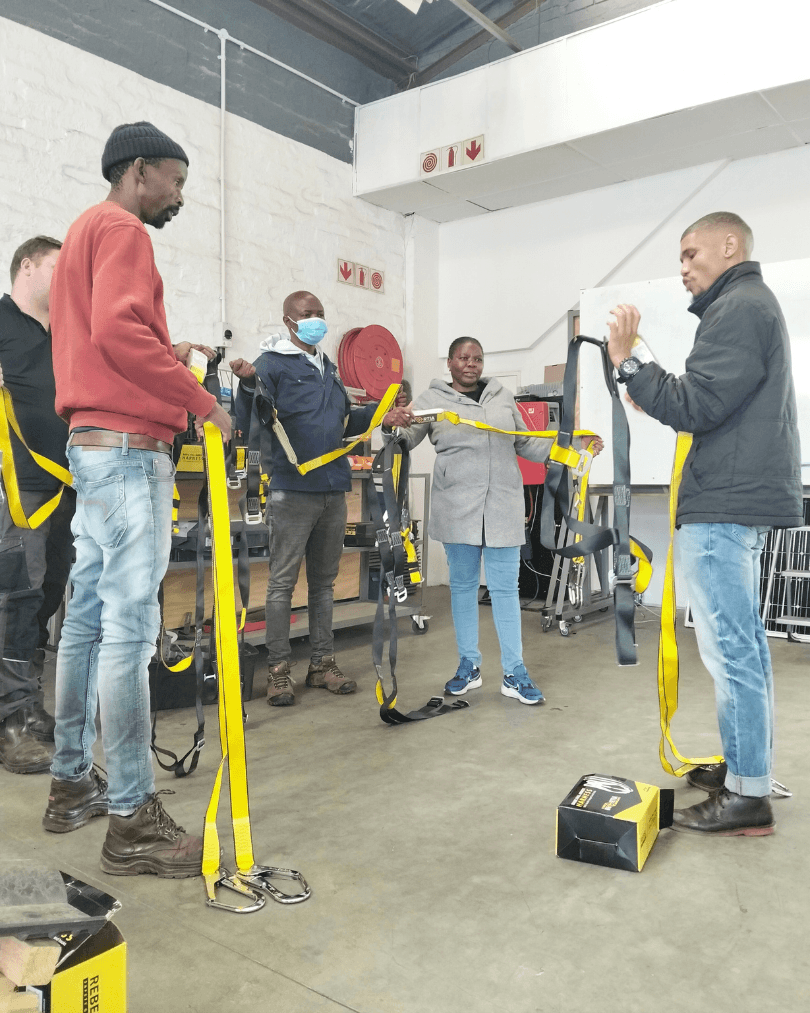
A fall-arrest system consists of several elements working together. These include an anchor point, body harness, connector and deceleration device, as well as an emergency plan and the equipment needed to respond to a fall.
Simply wearing a harness therefore doesn’t mean that a worker is adequately protected. The equipment needs to be appropriate for the work being done, correctly fitted and connected, and used as part of a properly planned fall-arrest system.
2. Where you anchor affects how far you can fall
The position of the anchor point makes a significant difference to the distance a person can fall before the fall-arrest system takes effect.
Consider two people using the same harness and lanyard. One connects to an anchor point above the harness attachment, while the other connects below it. Although their equipment is identical, their potential free-fall distance is not.
When the anchor point is below the harness D-ring, the additional free-fall distance needs to be taken into account. Lanyard length, deceleration distance and movement of the harness during a fall also affect the total clearance required.
This is why choosing and positioning an anchor point correctly is an important part of working safely at height.
3. A fall doesn’t necessarily take you straight down
Fall clearance isn’t the only consideration.
If a person falls while positioned to the side of an anchor point, they may swing back towards the structure. This is known as the pendulum effect, or a swing fall.
A fall-arrest system may prevent the worker from reaching the ground, but the worker could still strike a roof, wall, scaffolding or another part of the structure.
The position of both the worker and the anchor point therefore needs to be considered before work begins.
4. Fall-arrest equipment needs to fit and be inspected properly
Fall-arrest equipment should be checked before it is used.
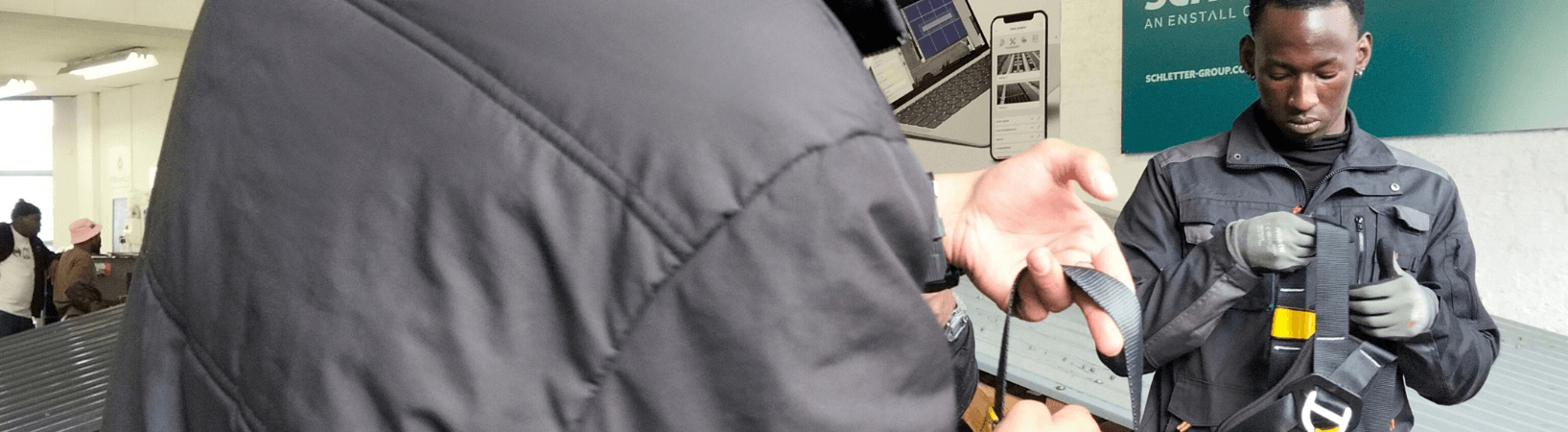
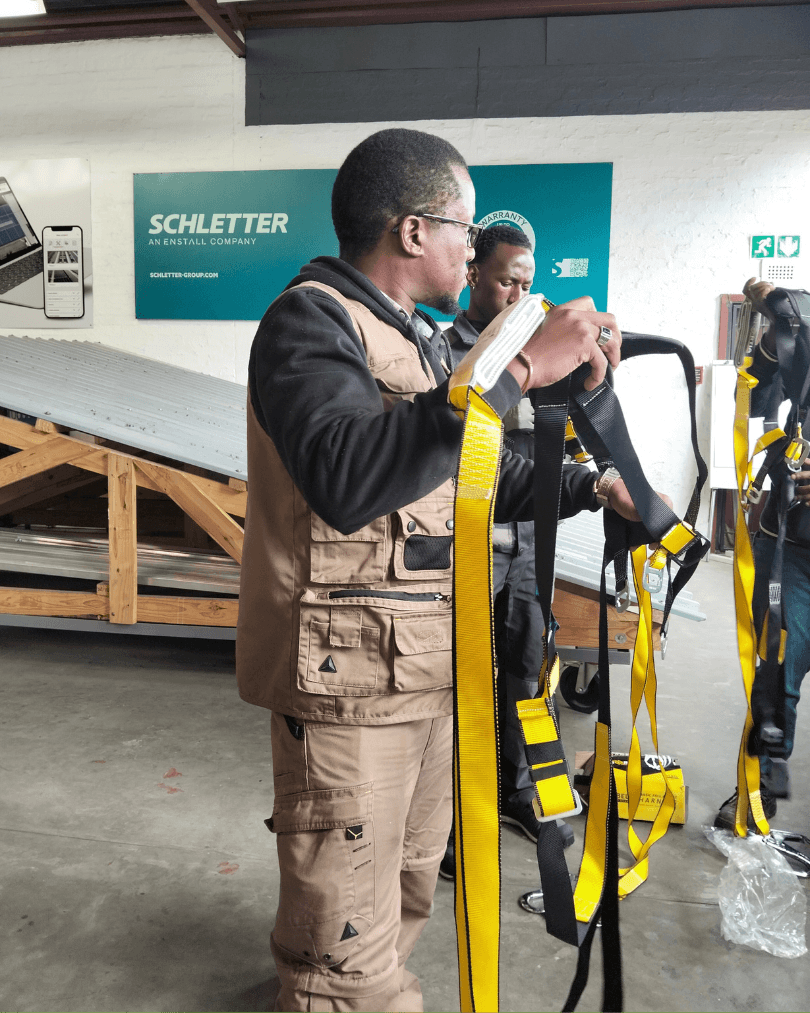
For a harness, this includes looking for abrasion, fraying, damaged stitching, excessive wear, damaged D-rings or buckles, and signs that a fall-arrest indicator has been activated.
Correct fit is equally important. A harness needs to be adjusted for the individual wearing it and used according to the correct fitting procedure.
These checks may become routine for someone who works at height regularly, but they shouldn’t be skipped. The condition and fit of the equipment directly affect how it performs when it is needed.
5. Stopping the fall is only part of the emergency
If a fall-arrest system works correctly, the person may avoid hitting the ground but be left suspended in the harness.
Prolonged suspension can lead to suspension trauma, which can become life-threatening.
This is why planning for work at height also needs to consider what happens after a fall. A rescue plan should form part of the preparation for work where fall-arrest equipment is being used.
It is also important to understand the limits of Working at Heights training. The training does not qualify someone to conduct a rescue. Specialist rescue training is required for that.

Who needs Working at Heights training?
Working at Heights training in South Africa is relevant across a range of industries where people carry out work at height and are exposed to the risk of a fall. This can include work on roofs, scaffolding and other elevated structures, not only solar installations.
For solar installers, however, the relevance is clear. Installing modules and mounting systems frequently involves working on roofs, making fall protection an important part of preparing people to carry out this work safely.
Depending on the project, site, client or contractor requirements, workers may also be required to provide evidence of appropriate Working at Heights training before being permitted to work at height.
For employers, training is therefore about both protecting employees and making sure teams are properly prepared for the sites on which they need to work.
Working at Heights training at GREEN Solar Academy
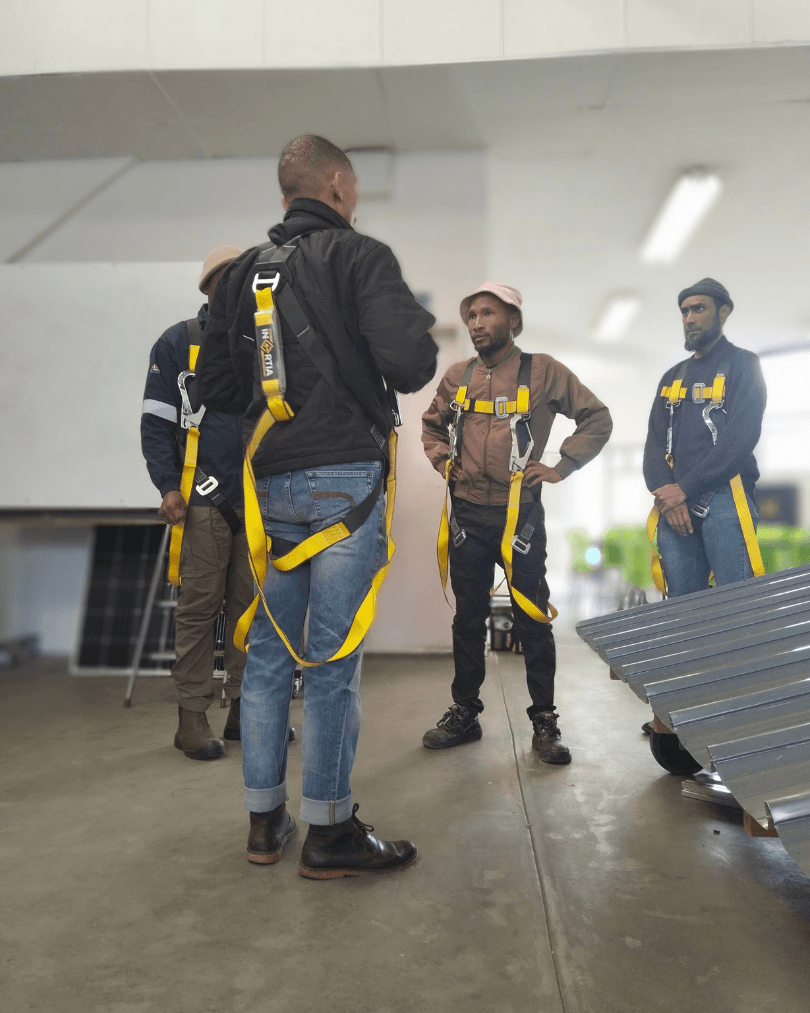
GREEN Solar Academy offers Working at Heights training in Gauteng, covering the knowledge and practical skills required to explain and perform fall-arrest techniques when working at height.
The training covers SAQA Unit Standard 229998: Explain and perform fall arrest techniques when working at height (NQF Level 1, 2 credits).
The standalone training takes three hours and leads to a QCTO Working at Heights certificate.
Want to combine it with practical solar installation training?
If you’re also looking to develop practical PV installation skills, you can combine Working at Heights with GREEN’s two-day PV Mounter course in Gauteng.
PV Mounter is a hands-on course covering practical PV installation skills, including mounting, working with different roof types, wiring, commissioning and safe working practices. Participants attending the course in Gauteng can add the Working at Heights eLearning and assessment for the optional QCTO Working at Heights certificate for an additional fee.