

NAMPO Agenda addition: Solar PV systems for farms
What’s missing at NAMPO
Every year, thousands of farmers head to NAMPO Harvest Day to see the latest machinery, technology and innovations shaping modern agriculture. Yet one important part is missing: a feature on solar energy.
On many farms today, solar systems are no longer an add-on but state-of-the-art infrastructure, sitting alongside tractors, irrigation systems and packhouse equipment. We’re seeing multi-hectare installations powering irrigation, packhouses, cold storage and processing facilities becoming just as critical to daily operations as any other piece of equipment on the farm.
And like any high-value asset, these systems need a plan — not just for installation, but for ongoing care, performance and longevity. The same attention given to servicing machinery and maintaining equipment now needs to extend to solar, because how well a system is maintained will ultimately determine how much value it delivers over time.
Solar is becoming a strategic asset on farms
For farmers, the reasons for installing solar are clear:
- Protect irrigation and production from power interruptions
- Reduce diesel costs for generators
- Stabilise long-term electricity costs
- Power packhouses, cold chains and processing facilities
Many farms are now installing systems in the hundreds of kilowatts or even megawatts, particularly where irrigation, cooling or processing loads are high.
But another interesting trend is emerging globally: Agrivoltaics.
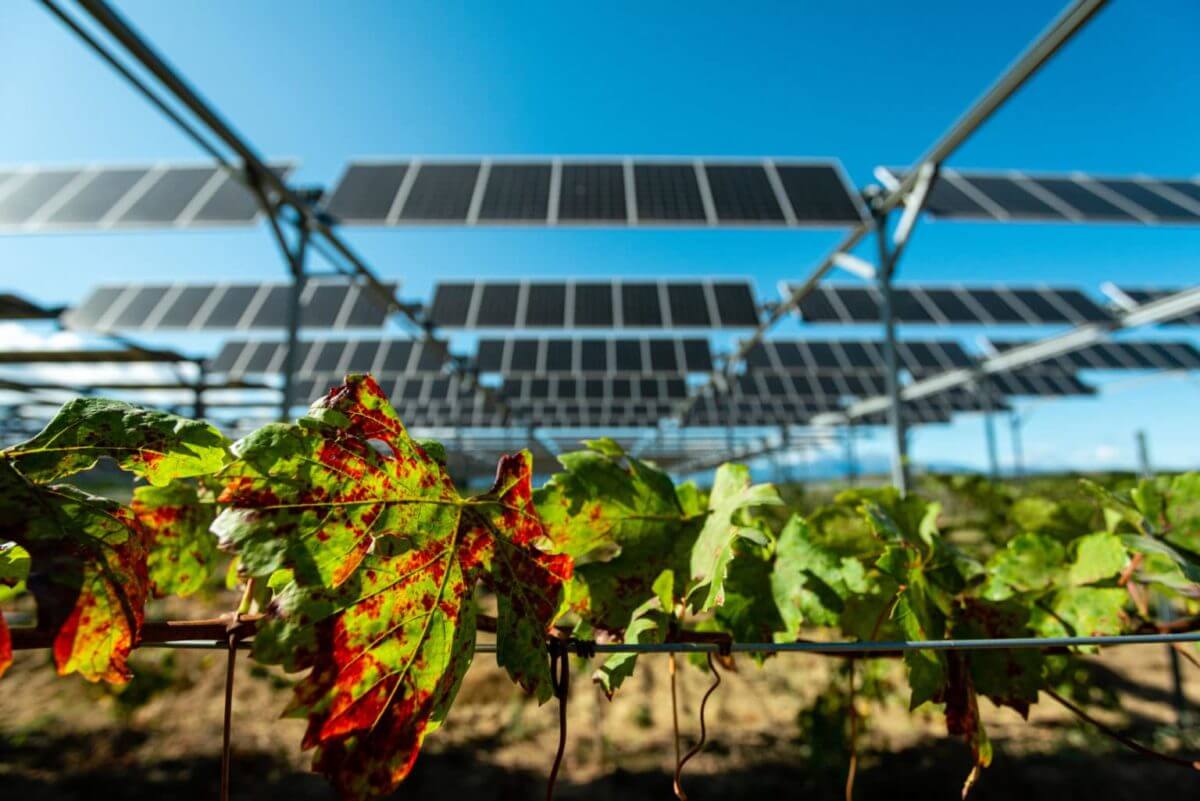
Image: https://www.pv-magazine.com
What is agrivoltaics?
Agrivoltaics (sometimes called Agri-PV or agrovoltaics) is the dual use of land for both agriculture and solar electricity production. Instead of choosing between farming or solar power, agrivoltaic systems allow farmers to produce crops and electricity on the same land.
Examples include:
Solar Above Crops
Elevated PV structures allow tractors and farming equipment to operate underneath while crops grow below the panels.
Solar Over Orchards or Vineyards
Solar structures can replace hail nets or shading structures while generating electricity.
Solar Between Crop Rows
Vertical or spaced PV installations are placed between rows of crops to minimise shading while producing power.
Panels can reduce heat stress on crops, reduce evaporation, and create a more stable microclimate.
Livestock Grazing Around Installations
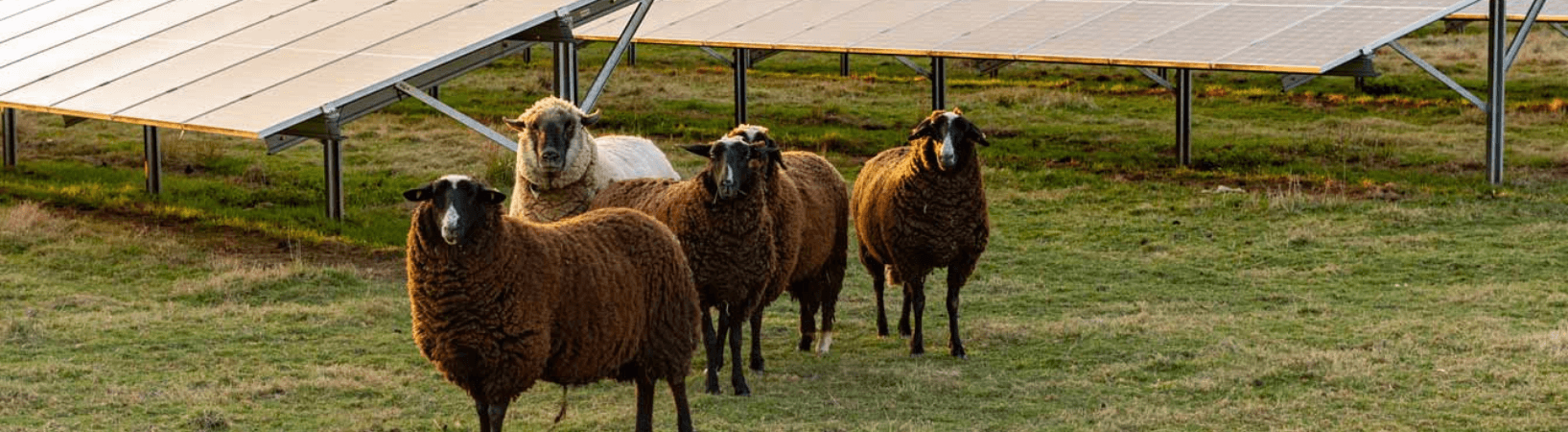
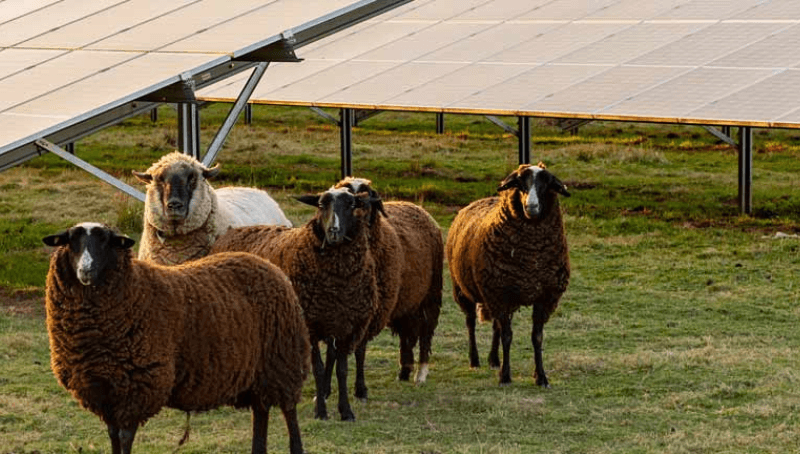
In some systems, livestock such as sheep are allowed to graze around and beneath solar arrays. This provides a natural solution to vegetation management, reducing the need for manual or mechanical grass cutting while keeping the site clear and compliant. At the same time, animals benefit from shade and shelter provided by the panels.
Research by Fraunhofer Institute for Solar Energy Systems ISE has shown that this dual land use can improve land productivity, particularly in regions where water stress and extreme weather affect crop yields. Panels can reduce heat stress on crops, reduce evaporation, and create a more stable microclimate.
For farmers already investing in solar infrastructure, agrivoltaics represents a way to generate additional value from productive land.
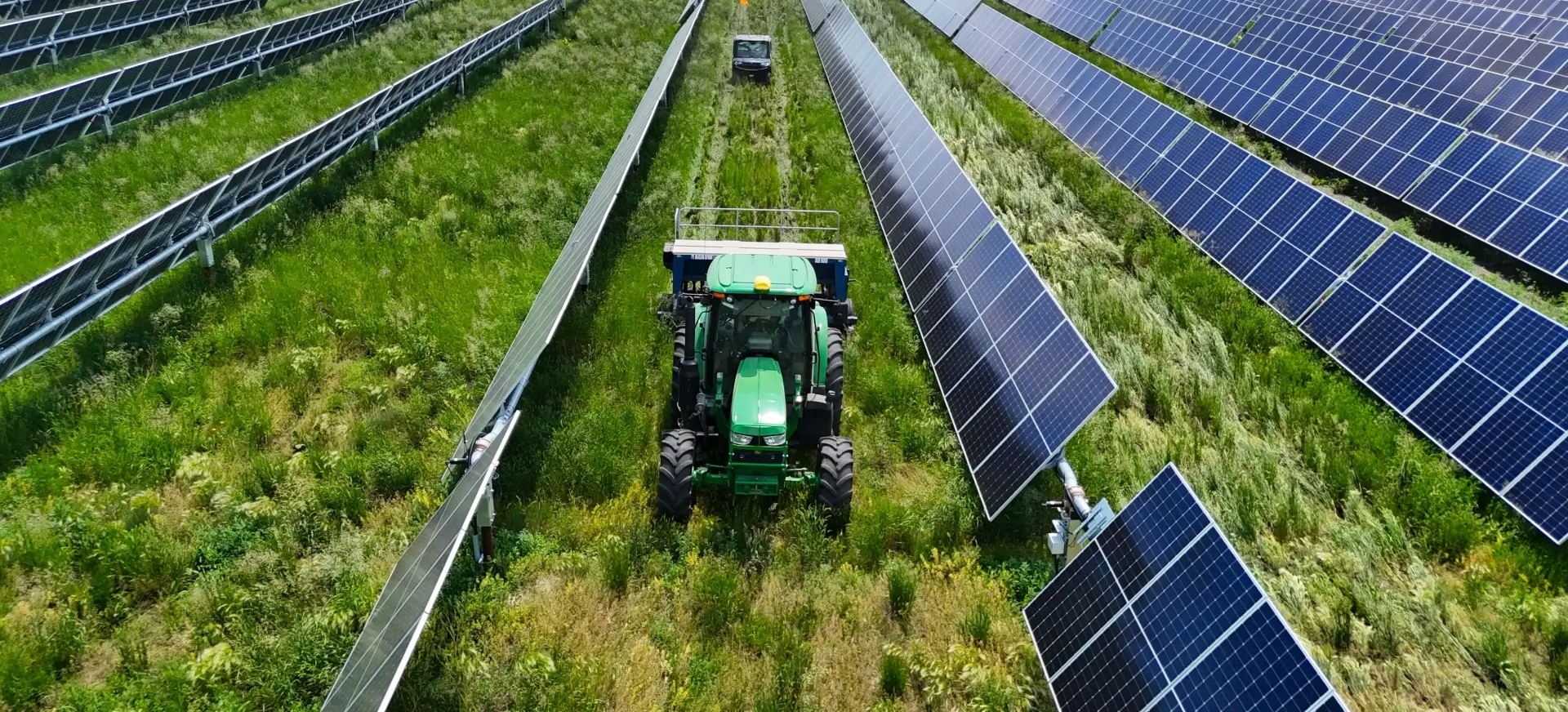
Image: https://nextpower.com/
The reality of solar on farms: Dust, chemicals and heavy equipment
Solar systems installed on farms operate in very different conditions from urban rooftop systems as agricultural environments introduce several challenges that directly affect solar performance:
Dust from harvesting and soil movement
Harvesting equipment, tractors and soil preparation generate large amounts of dust. This dust settles on solar panels and can significantly reduce energy output if not cleaned regularly.
Crop residue and organic material
Plant matter, pollen and organic debris can accumulate on panels and mounting structures.
Chemical overspray
Agricultural spraying introduces fertilisers, herbicides and pesticides into the air. Residue from spraying can settle on modules and create films that reduce light transmission.
Irrigation spray and mineral deposits
In irrigation areas, mineral content in water can leave deposits on panel surfaces if spray reaches nearby PV arrays.
Studies and field reports have shown that soiling losses in agricultural environments can become one of the largest performance losses in a PV system if not actively managed.
In other words: Even the best solar system design cannot compensate for poor maintenance.
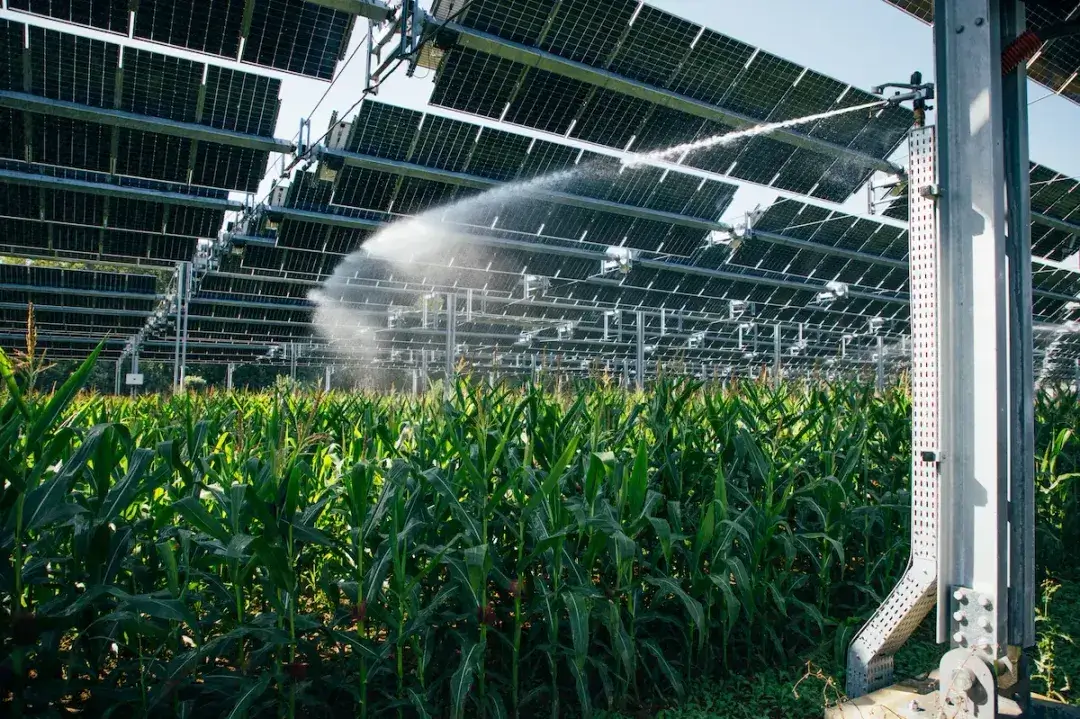
Image: https://www.tse.energy/
Large solar systems need ongoing maintenance
One of the biggest misconceptions about solar is that “once it’s installed, it runs itself.”
In reality, large systems require ongoing operational oversight.
Even the best solar system design cannot compensate for poor maintenance.
Typical maintenance tasks include:
- Monitoring system performance and identifying faults
- Inspecting cables, connectors and mounting structures
- Detecting hotspots and module damage
- Cleaning panels to manage soiling losses
- Checking inverters and protection equipment
- Verifying safety and compliance
When farms start operating systems in the hundreds of kilowatts or megawatts, these tasks quickly move beyond occasional checks.
They become part of professional system operation and maintenance (O&M).
A skills gap that farmers are starting to recognise
Many farmers already employ skilled teams who maintain irrigation systems, diesel pumps, tractors and harvesting equipment and packhouse machinery.
Solar power is simply another critical infrastructure asset on the farm. And just like any other system, the people responsible for it need the right training.
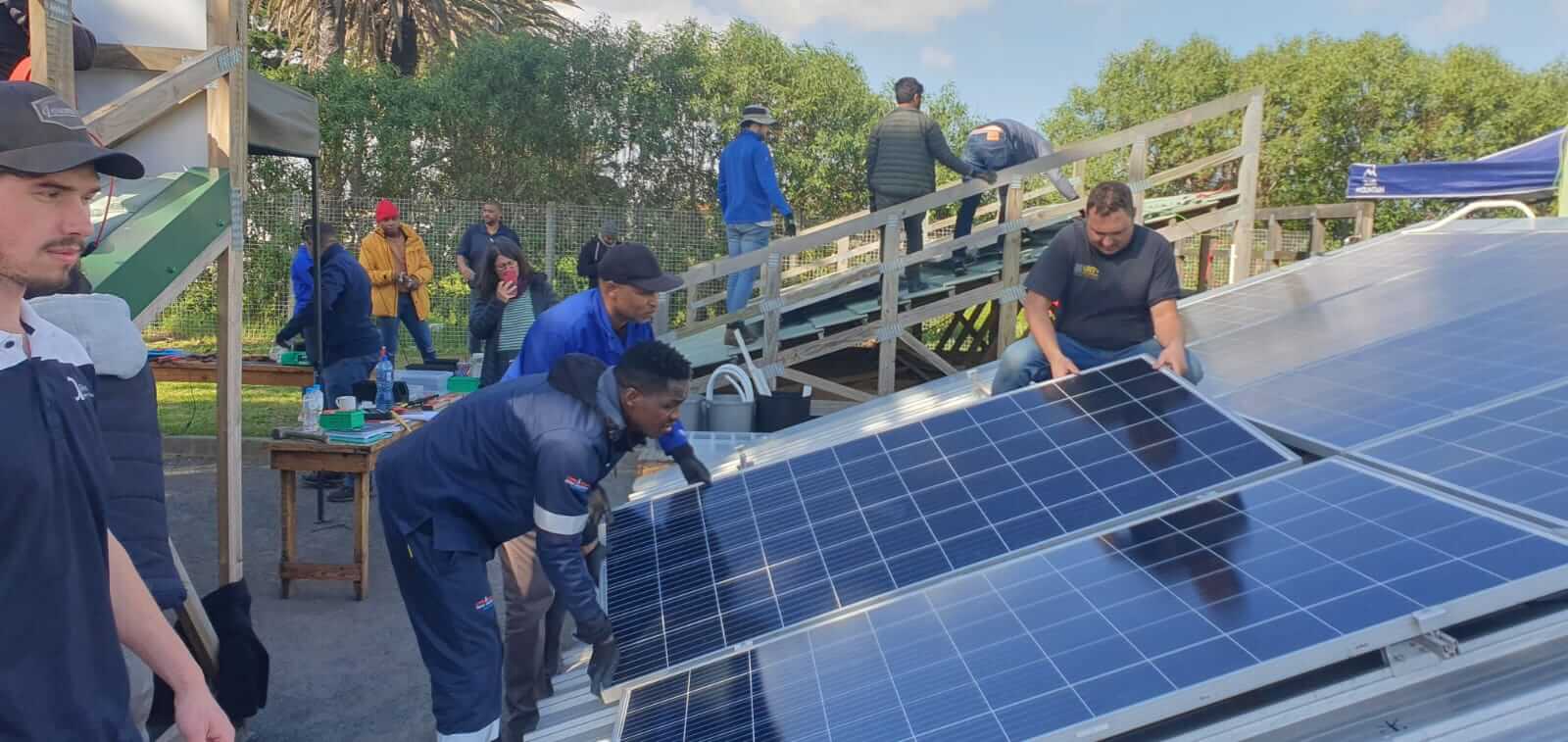
We increasingly see farms sending electricians, maintenance technicians, technical managers and farm engineers for specialised solar training so that they can manage and maintain their own systems internally.
Training for PV system operation and maintenance
We recently introduced a dedicated 1-day PV System Operation & Maintenance course designed for exactly this situation.
The course focuses on the practical realities of operating solar systems in the field, including:
- Understanding performance monitoring
- Identifying common system faults
- Managing soiling and cleaning strategies
- Inspecting safety components
- Preventative maintenance planning
For farmers operating large solar systems, having someone on the team who understands how to monitor, inspect and maintain the installation can make a significant difference to system performance and lifespan.
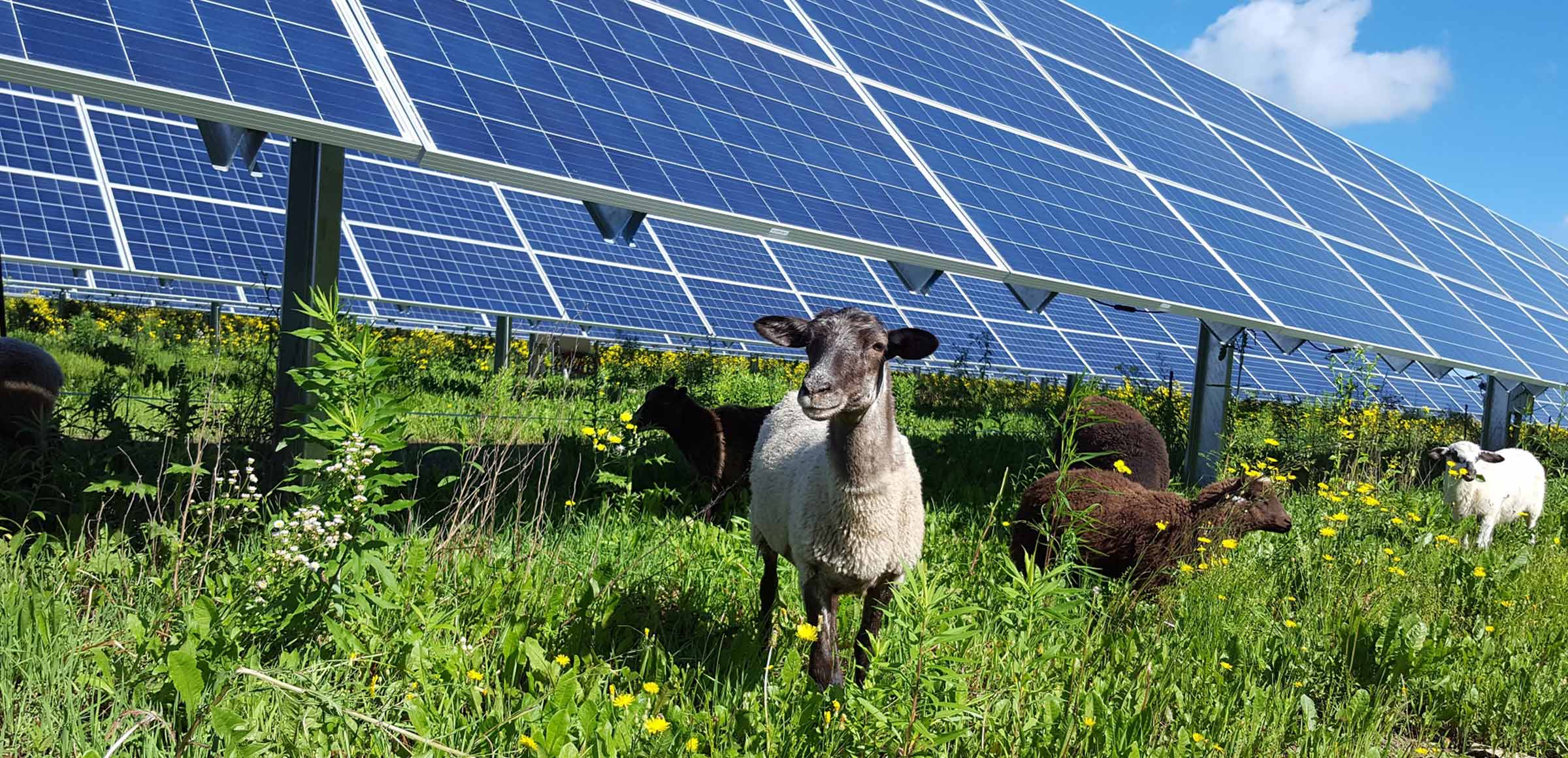
Image: https://www.enelgreenpower.com
What we hope to see at NAMPO 2026 – a training provider’s perspective
If we could shape the agenda for NAMPO 2026, we would hope to see more conversations around:
- Agrivoltaics and dual land use
- Large-scale solar on farms
- Operational performance of solar systems
- Training for farm maintenance teams
Solar is no longer just an installation decision. It is becoming a long-term operational asset on farms. And like any asset on a farm, its success depends not only on the technology, but also on the skills of the people managing it.
Explore O&M training for yourself and your team:
Main Article Image: https://farrellymitchell.com